

EXactREI Follow one property
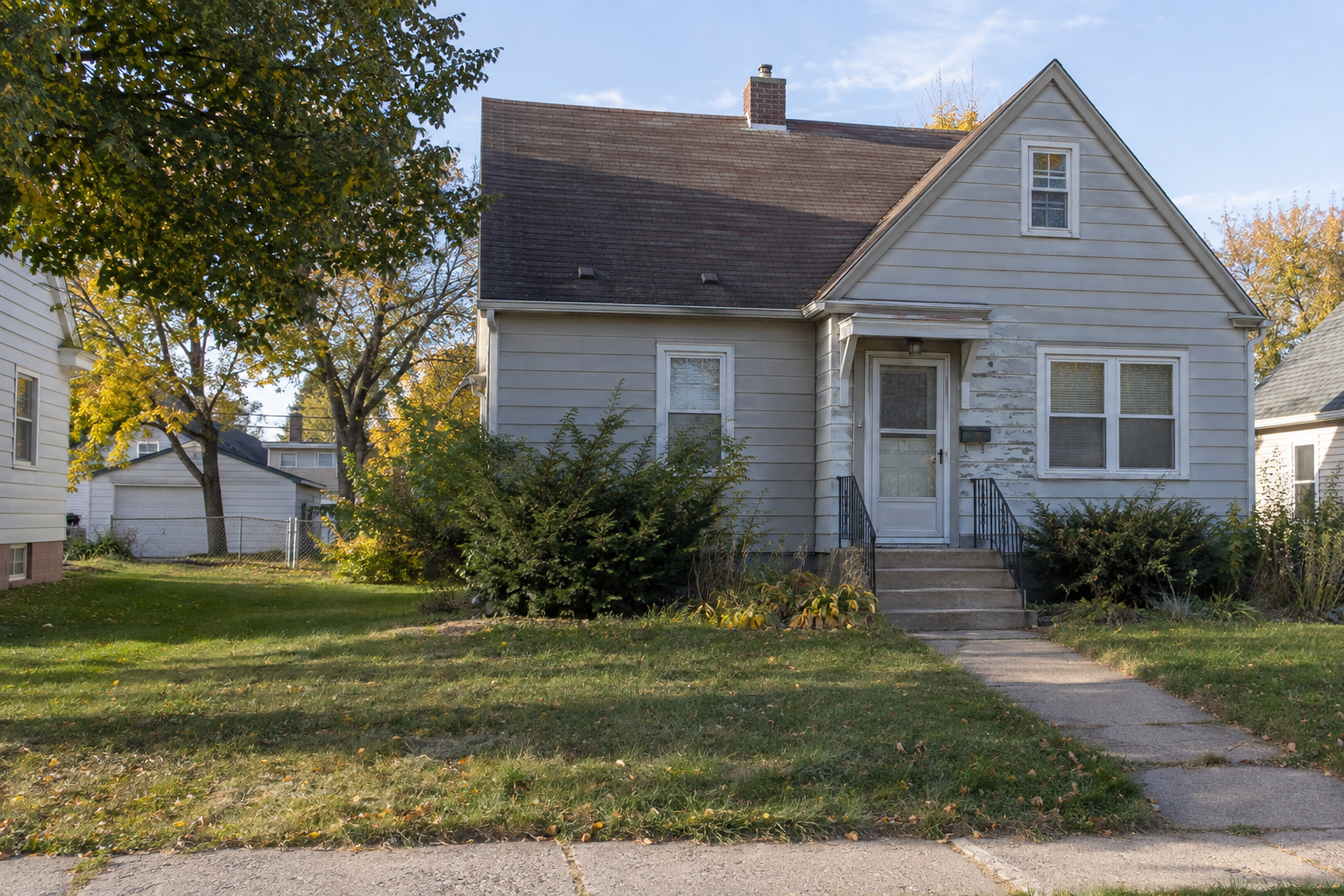
A modest older house with weathered siding, overgrown shrubs, and a cracked walkway.

A method for building your investing business.

EXactREIMore than a deal.
A way to build.

The EXactREI method teaches you to understand motivated sellers, connect their needs with workable solutions, and pursue deals at the right price with confidence. Learn to manage rehabs efficiently, sell for a profit, and turn each project's lessons into systems that help your business move faster.

A life-first approach. Five connected steps.
Ken Collins

Hi, I'm Ken. Here's how I think about investing.

Start with the life you want. Listen to the person who owns the house. Then work out whether an investment can serve both. That's the thinking behind EXactREI.

Get to know me

The model in practice

One house.
Five connected decisions.

EXACT is a way to think through an investment, not a rule that every house must become a flip. Follow this illustrative situation from the first questions to the lessons carried into the next project.

The property

A modest inherited house. Belongings still inside. Repairs that need a closer look.

The owner

Lives three hours away. Managing an empty house has become a responsibility they want to move on from.

The investor

Has a full-time job. Wants to build an investing business without giving up every evening and weekend.

Fictional learning example, not a client result. The house image is illustrative.

01 / Envision

Start with the life.
Then consider the house.

A promising property can still be the wrong project for you.

Before this investor makes an offer, they name what the business is supposed to support: more choice, growing capital, and time with family. Their available time, resources, and experience become part of the investment decision.

What changes the decision?

A renovation that depends on the investor working every night conflicts with that vision. A clearly scoped project with reliable help might fit. The first question is not simply whether the house can make money, but whether this investor can execute the plan without building a life they do not want.

Carry this forward

The workload and resources must fit the life the investor is trying to build.

Now meet the person behind the property

02 / eXplore

Explore what matters.

The house tells you what they own. Listening helps you understand what they need.

"Every visit becomes another weekend of sorting things out. I don't know where to start."

Rather than jumping to an offer, the investor asks what has been hardest, what the owner hopes will change, and what a better situation would look like. They reflect back what they hear and let the owner correct their assumptions.

What changes the decision?

The repairs are only part of the story. Clearing belongings and coordinating work from a distance may be the bigger burden. The investor explores a manageable transition together with the owner: what stays, what needs time, and what help would actually be useful. The seller should feel heard, understood, and supported, not worked through a script.

Carry this forward

Price matters, but so do the belongings, timing, and responsibilities the seller wants help resolving.

Test what could actually work

03 / Analyze

Let the facts
shape the opportunity.

Empathy opens the conversation. Analysis determines what you can responsibly offer.

The investor checks the condition, repair scope, cleanout, comparable sales, and likely timeline. They separate verified facts from assumptions, then compare possible approaches against the seller's needs and their own capacity.

What changes the decision?

  • What work does the intended exit actually require?
  • What are the full acquisition, repair, funding, holding, and selling costs?
  • What happens if work costs more or the property takes longer to sell?
  • What price and terms leave room for the work, uncertainty, and intended return?

Missing information becomes a due-diligence task. A weak investment does not become a good one just because the conversation felt good.

Carry this forward

A reasoned decision: investigate further, reshape the approach, or respectfully pass.

Where does the 70% rule fit?

A rule is not the whole model

Have you been taught
the 70% rule?

70% of after-repair value
minus estimated repairs

A cash-offer formula can answer one question. It cannot answer every seller's situation.

The 70% rule is a common starting guideline for screening a flip. Even with cash, the right offer depends on verified costs, market conditions, risk, and the return the project needs. It is not an automatic green light.

But what if the owner cannot sell at that price?

Repeating the same number does not create a solution. In our example, the investor first asks what makes that price unworkable and what the seller actually needs from the sale. Is it immediate cash, a particular timeline, relief from responsibilities, or something else?

The EXactREI method teaches you to explore whether different terms, timing, funding, or an entirely different investment approach could meet those needs and still make business sense. Different terms change the analysis; they do not eliminate it.

The distinction

"That cash offer doesn't work" is not always the same as "there is no workable investment." And sometimes, after exploring the options, no deal is the right answer.

Alternative structures require full financial analysis and qualified legal and tax review. No formula or structure guarantees a profit. Background on the 70% guideline.

Bring the pieces together

04 / Create

Build the investment.
Then carry it through.

An agreed price is a beginning, not an execution plan.

Suppose the due diligence supports a rehab and resale for this house. The investor and seller agree on a transition that addresses the belongings, property condition, and timing, with the necessary professional review before commitments.

What changes the decision?

The investor connects funding, scope, contractor responsibilities, material orders, inspections, and a realistic resale plan. Clear checkpoints keep surprises visible. A cleanout promise belongs in the budget and schedule, not just in the conversation.

Rehabbing efficiently means preparing and coordinating the work, not skipping important steps. If the facts pointed toward another structure or exit, the plan would change with them.

Carry this forward

A coordinated investment with clear responsibilities, verified resources, and a plan for what could go wrong.

Turn the experience into a stronger business

05 / Turn

Finish the project.
Improve the business.

The next investment should benefit from what this one taught you.

At the end of the example, the investor would compare actual costs, timeline, and effort with the original plan. Did the transition address what mattered to the seller? Did the work fit the investor's life? What still needs to be paid or resolved before proceeds can be treated as profit?

What changes the next decision?

Suppose materials arrived late and held up the contractor. That lesson becomes an ordering checkpoint in the next project plan. Keep the relationships that worked, improve the systems that did not, and use the experience to make the next decision with more clarity.

Then return to Envision. More activity is not automatically progress. The business still needs to support the life you set out to build.

Carry this forward

Better questions, stronger relationships, and repeatable systems, not just another address.

Revisit the five steps

The EXactREI model of investing

Five steps.
One connected way of thinking.

EXACT is not a single strategy or a formula for buying cheap houses. It connects your vision, the seller's situation, careful analysis, investment structure, and what you do with the experience afterward.

01 / 05Start with your life

What are you
really building?

Time with your family. More choice in your work. A business you actually enjoy running. Define the life first, then choose the investing path that supports it.

A question worth asking

If real estate worked, what would an ordinary Tuesday look like?

Ken Collins, EXactREI founder and real estate investorKen Collins / EXactREI

The person behind the method

Real experience.
A human approach.

"The goal is to build a real estate investing business that supports the life you envision."

Ken Collins brings a background in helping people, leading technology projects, and investing in real estate to the way he approaches the business.

Since beginning his investing journey in 2016, he has worked across rental properties, renovations, and creative deal structures. EXactREI brings that experience into a repeatable way of thinking: start with your life, understand the seller, and create an investment that makes sense.

Explore the thinking behind EXACT

Continue the learning

Want to learn more?

Explore these ideas further in WiscoREIA's REI Blueprint training. See the training page for dates, registration, and membership pricing.

Explore Blueprint training

How we work through it

    An illustrative example

    What you leave clearer about